Beginner Running Gear: What You Need (and What to Skip)
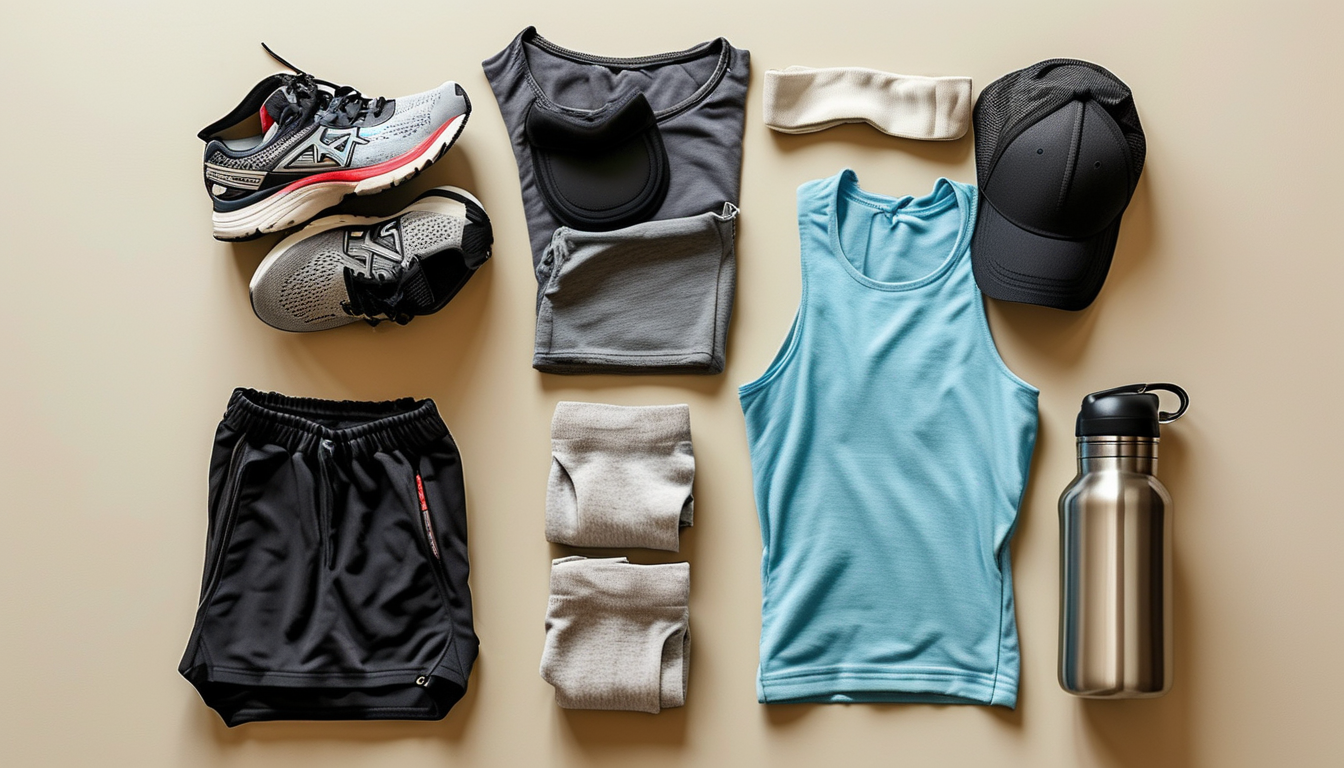
Quick Answer: New runners really only need three things — proper running shoes, a supportive sports bra, and moisture-wicking leggings or shorts. Everything else (GPS watches, compression gear, recovery gadgets) is optional and can wait until you’re a few weeks in and actually hooked.
You open a running gear “starter guide” online and suddenly you’re looking at a $180 watch, $90 recovery sandals, and a compression everything set — before you’ve even run a single block. Deep breath. You don’t need any of that yet. Running is one of the most gloriously low-gear sports there is.
What’s the One Piece of Gear Worth Spending On?
If you spend real money on nothing else, spend it on proper running shoes. Not fashion sneakers from the mall — actual running shoes, ideally fitted at a running store where someone can watch your stride and match you to a shoe built for how your foot actually moves. They’re the one thing standing between your knees, ankles, and hips and the repetitive pounding of every single step you take on pavement or trail. This is the one non-negotiable purchase. Everything else in this guide is comfort, not requirement.
A good fitting takes about 15-20 minutes and usually involves watching you walk or jog briefly on a treadmill. It’s a small time investment that can save you weeks of shin splints or blister frustration down the line — the kind of thing that quietly ends a lot of beginner running habits before they ever get going.
What Do You Actually Need to Start Running?
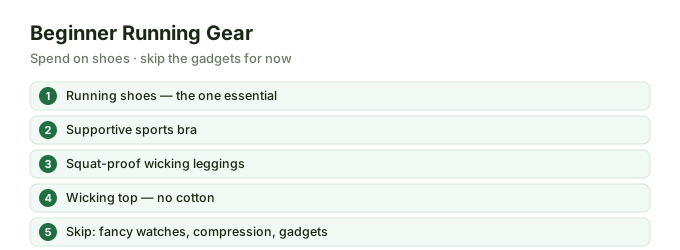
Here’s the actual short list:
- Running shoes — the essential. Get fitted if you can, and expect to replace them roughly every 300-500 miles.
- A supportive sports bra — comfort and support genuinely make or break whether a run feels good or miserable.
- Moisture-wicking leggings or shorts — squat-proof, chafe-free, quick-drying. Cotton is not your friend here; it holds sweat and chafes.
- A wicking top — keeps you dry and prevents the clingy, soaked-shirt misery around mile two.
That’s genuinely the whole starter kit. Four items, and you’re ready to go.
What Gear Can Wait Until You’re Hooked?
Once running has stuck for a few weeks and you’re not just tolerating it but actually looking forward to it, these are worth adding:
- A running watch for pacing and distance tracking
- A handheld or belt water bottle for runs over 30-40 minutes
- Anti-chafe balm — your future self, somewhere around mile 3, will understand exactly why
None of these make you a “real” runner faster. They just make longer runs more comfortable once you’re already doing them — buying them on week one just means they sit in a drawer while you figure out whether you even like running the sport, versus running the idea of running.
What Should Beginner Runners Skip For Now?
Don’t let the internet upsell you on gear you don’t need on week one:
- Fancy compression everything
- A $200+ GPS watch before you’ve run your first mile
- Special recovery gadgets before you’ve actually earned any soreness
- Anything labeled “elite” — you’ll know when (and if) you need it
Mistakes Everyone Makes When Buying Running Gear
- Buying the watch before the shoes. Tech is fun, but it does nothing for your knees. Shoes first, always.
- Wearing cotton because “it’s what’s in the drawer.” It soaks up sweat, gets heavy, and chafes in exactly the spots you don’t want chafed.
- Skipping the sports bra fitting. A poorly fitted bra can genuinely end a run early — it’s worth the 10 minutes it takes to get sized properly.
- Overbuying before the habit sticks. (This is the one even seasoned runners regret — a drawer full of unworn “motivation gear” from January.)
Mini FAQ
Do I really need running-specific shoes, or will any sneakers work?
Running-specific shoes matter. They’re built to absorb repetitive impact in a way fashion sneakers and cross-trainers aren’t, which meaningfully lowers your risk of knee, ankle, and hip strain as a beginner.
How much should I expect to spend on a beginner running kit?
Shoes are typically the biggest line item, often $80-150 for a properly fitted pair. A decent sports bra and 1-2 sets of wicking layers can round out the essentials for well under $200 total — nowhere near the $600+ “full kit” the internet sometimes implies you need.
When should I upgrade to a running watch?
Once you’re running consistently for 3-4 weeks and want to track pace or distance for its own sake, not because you need it to run. Plenty of beginners run their first 5K with nothing but shoes and a phone.
TL;DR
- You truly only need four things to start: running shoes, a supportive sports bra, moisture-wicking bottoms, and a wicking top.
- Get shoes properly fitted — it’s the one purchase that protects your joints.
- Watches, water bottles, and anti-chafe balm can wait until you’re a few weeks in and hooked.
- Skip compression gear, expensive GPS watches, and recovery gadgets until you’ve actually earned the need for them.
- Good shoes, a supportive bra, and squat-proof leggings are your entire beginner starter kit — the habit matters more than the gear.
See It in Motion
Seen here: Super High Waist Embossed Yoga Leggings with Inner Pocket — shop it on bubblelime.com
Keep Reading
This article is for general informational purposes only and is not medical advice. It is not a substitute for professional diagnosis or treatment. Always consult a qualified healthcare provider about your individual situation, especially before making significant changes to your diet or exercise routine.