Running Form Tips Every Beginner Should Know
Running looks simple — you just put one foot in front of the other, right? — but a few small form tweaks can make it feel dramatically easier, more efficient, and far kinder to your body. Good form helps beginners run more comfortably and avoid the common aches and injuries that make so many people quit early. Here are the running form fundamentals every beginner should know from the very first mile.

Stay Tall and Relaxed
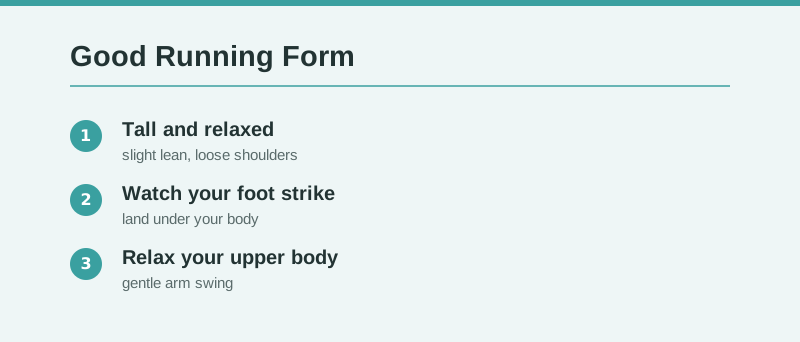
Good running posture starts with running tall — imagine a string gently pulling you up from the crown of your head, with a very slight forward lean coming from your ankles, not your waist. Keep your shoulders relaxed and down, away from your ears. This upright, relaxed posture makes running more efficient and comfortable, while hunching or tensing up wastes energy and invites aches. Tall and loose is the foundation of good form.
Watch Your Foot Strike
Aim to land with your foot underneath your body rather than reaching way out in front of you. Overstriding — landing with your foot far ahead — acts like a brake and sends jarring impact up through your legs, a common cause of injury. Landing under your body with a quick, light step reduces that impact and helps you run more smoothly. A slightly quicker cadence naturally encourages this better foot strike.

Relax Your Upper Body
Your arms and shoulders should be working with you, not against you. Keep your arms bent at around 90 degrees, swinging gently forward and back (not across your body), with your hands relaxed rather than clenched. A tense upper body wastes precious energy and creates unnecessary fatigue. Every so often during a run, consciously relax your shoulders, unclench your hands, and let your upper body stay loose and easy.
Find a Comfortable Cadence
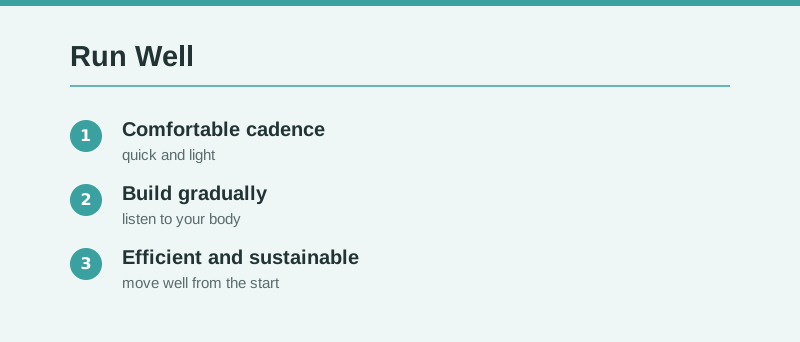
Cadence — how many steps you take per minute — matters more than you’d think. Many beginners overstride with slow, long steps; taking slightly quicker, shorter steps often improves efficiency and reduces impact. You don’t need to obsess over numbers, but aiming for a light, quick turnover helps your whole stride fall into place. Think ‘quick and light’ rather than ‘long and pounding,’ and your running will feel smoother.
Build Gradually and Listen to Your Body
Good form is easier to maintain when you’re not exhausted, so build your running gradually rather than doing too much too soon. Increase your distance slowly, mix in walk breaks as needed, and pay attention to any niggles before they become injuries. Form and sensible progression go hand in hand — run within your ability, focus on moving well, and you’ll build a running habit that’s comfortable, efficient, and genuinely sustainable.
Running form tips every beginner should know: stay tall and relaxed, watch your foot strike, relax your upper body, find a comfortable cadence, and build gradually while listening to your body. Good form makes running easier, more efficient, and far kinder to you. Focus on moving well from the start, and you’ll build a running habit that feels good and lasts.
Keep Reading
This article is for general informational purposes only and is not medical advice. It is not a substitute for professional diagnosis or treatment. Always consult a qualified healthcare provider about your individual situation, especially before making significant changes to your diet or exercise routine.