Running With a Side Stitch (What It Is and How to Clear It)

Quick Answer: A side stitch is a sharp pain, usually under one side of your ribs, linked to shallow breathing and eating too close to your run. You can usually clear one without stopping — slow your pace, breathe deeper with a longer exhale, and it typically fades within a minute or two.
You’re two miles in, finally settling into a rhythm, and then it hits: a sharp jab under your ribs that makes you want to fold in half. Nobody warned you about the side stitch, and somehow it always shows up right when the run was starting to feel good.
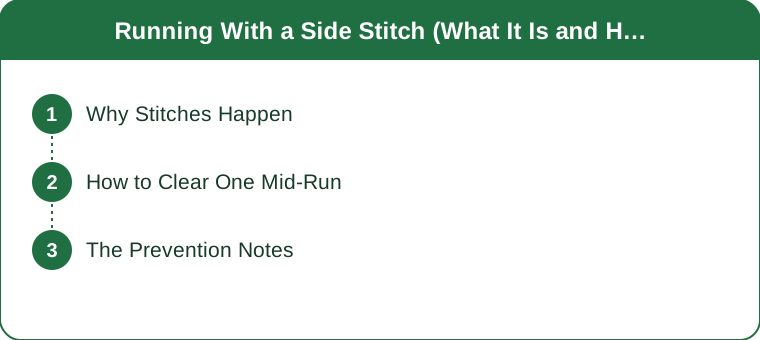
What causes a side stitch when running?
The side stitch is common, benign, and rarely explained well:
- It’s extremely common in new runners — near-universal in the early weeks of any running program.
- Eating too close to a run is a frequent trigger.
- Shallow chest breathing is commonly implicated — quick, high breaths instead of deep belly breaths.
- It usually shows up on one side, typically under the ribs.
- It’s harmless, but it’s session-ending — annoying enough to stop you even though it isn’t dangerous on its own.
Put together: a side stitch is common, benign, and badly explained — arriving without warning in new runners and ending sessions it has no real business ending.
How do you get rid of a side stitch while running?
You usually don’t need to stop entirely:
- Slow down rather than stop. Reducing your pace often resolves it on its own.
- Deepen your breathing. Deliberate, deep belly breathing is the primary fix.
- Lengthen your exhale. A longer exhale helps release the cramp.
- Switch which foot you exhale on. Changing your exhale-to-footstrike pattern can ease it.
- Press gently into the area while you keep breathing.
- Raise the arm on the affected side and stretch through it while moving.
- Walk briefly if it’s stubborn. A short walk clears even the persistent ones.
Most stitches resolve within a minute or two using some combination of the above. It’s usually not just one fix that clears it — slowing your pace while also lengthening your exhale tends to work faster than either one on its own, so don’t be afraid to stack a few of these at once instead of trying them one at a time.

How can you prevent a side stitch before it starts?
Stopping the next one before it starts:
- Leave a real gap after eating before you head out.
- Avoid large volumes of fluid immediately before running.
- Warm up properly instead of starting hard from a standstill.
- Build your pace gradually rather than opening fast.
- Practice diaphragmatic breathing as a habit, not just a mid-run fix.
- Strengthen your core, which reduces how often stitches recur.
- Give it time — stitches genuinely become rarer as your fitness improves.
None of these prevention habits require a big lifestyle overhaul — they’re small, boring adjustments to timing and breathing that compound over weeks of running, the same way any other training adaptation does.
Myth vs Fact: Side Stitches
Myth: a side stitch means something is wrong with you. Fact: it’s a common, benign muscular or diaphragm-related cramp, especially in newer runners — not a sign of a health problem.
Myth: you have to push through the pain to “toughen up.” Fact: slowing down and breathing deeper clears it faster than gritting your teeth through it ever will.
Myth: only out-of-shape runners get stitches. Fact: even experienced and elite runners get them occasionally, usually tied to eating timing or breathing pattern on that particular run — and here’s the part that surprises most people: fitness lowers the odds, but it never fully guarantees you’re immune.
Mini FAQ
Is a side stitch dangerous?
No, a side stitch on its own is benign — uncomfortable, but not a sign of a serious problem. That said, if the pain is severe, spreads to your chest, arm, or jaw, or comes with shortness of breath or dizziness, stop running and seek medical attention, since that combination can signal something unrelated to a normal stitch.
Why do I always get a side stitch on the same side?
It’s common for stitches to favor one side consistently, often related to your individual breathing pattern and which foot you tend to exhale on. Switching your exhale-to-footstrike pattern is one of the more effective fixes precisely because it targets that habit.
Does drinking water cause a side stitch?
Drinking a large volume of fluid right before running is a common trigger, more so than water itself. Sipping steadily throughout the day and avoiding a big gulp right before you head out lowers the odds.
TL;DR
- Side stitches are common, one-sided, and benign — linked to shallow breathing and eating too close to a run.
- Clear one by slowing down, breathing deeper with a longer exhale, and switching your exhale-to-footstrike pattern.
- Prevent the next by leaving a gap after eating, warming up properly, and training diaphragmatic breathing.
- Stitches get rarer as your fitness builds — this isn’t a permanent running tax.
- Severe pain, chest/arm/jaw involvement, or dizziness is not a normal stitch — stop and see a doctor.
Keep Reading
This article is for general informational purposes only and is not medical advice. It is not a substitute for professional diagnosis or treatment. Always consult a qualified healthcare provider about your individual situation, especially before making significant changes to your diet or exercise routine.